Make Your Own Gun Safe: A DIY Guide
Are you tired of worrying about the safety of your firearms? You’re not alone—many gun owners struggle with finding a secure yet affordable way to protect their weapons.
Building your own gun safe can be a practical solution if you want custom security without breaking the bank.
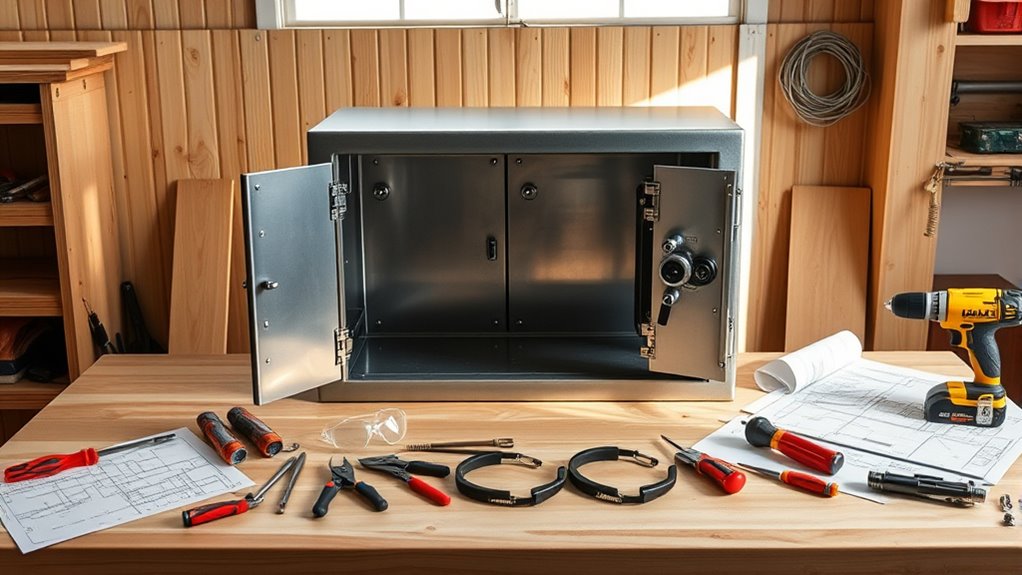
To make your own gun safe, start by planning the size, security features, and location. Choose strong materials like steel or plywood, and gather essential tools such as drills and cutters.
Follow step-by-step instructions to assemble the safe, guaranteeing it’s reinforced, properly locked, and anchored securely.
Keep legality in mind and maintain your safe regularly. If you keep going, you’ll uncover how to maximize security and guarantee future upgrades for long-term protection.
Key Takeaways
- Plan your safe’s size, security features, and placement based on your firearms and space requirements.
- Choose durable materials like steel or plywood. Gather essential tools such as drills and welding equipment.
- Assemble the safe by measuring, cutting, and securely joining panels. Then install a reliable lock mechanism.
- Reinforce with fire-resistant materials. Anchor the safe securely and make sure you’re following local firearm storage laws.
- Regularly maintain locks and hinges. Upgrade security features as needed.
- Keep the surrounding area clear for safety. Regular checks will help ensure everything stays in good shape.
How to Plan Your DIY Gun Safe Project
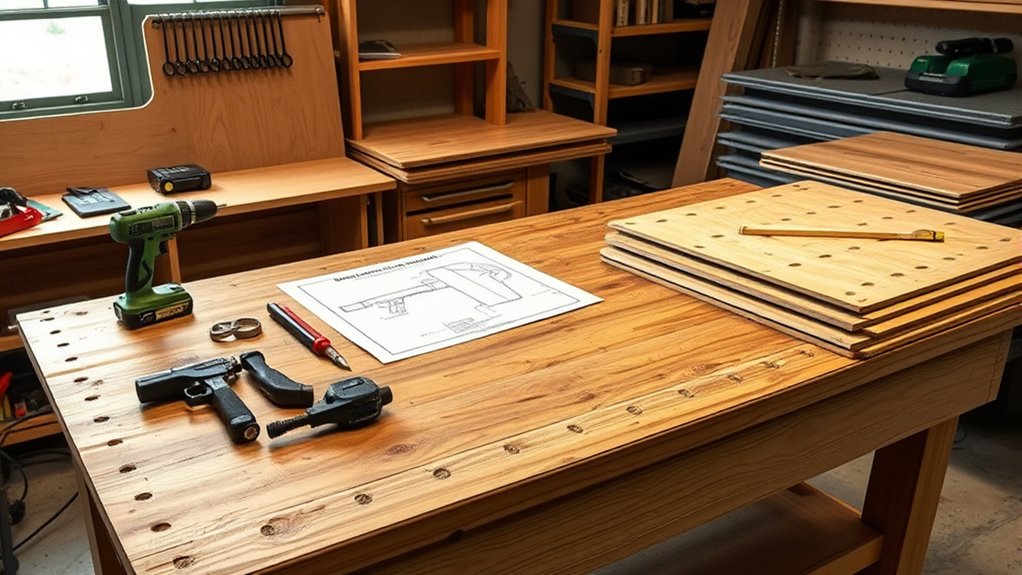
Before you start building your DIY gun safe, it’s important to plan everything out first. Think about what size and type of safe you need based on your firearms and accessories.
Consider where you’ll place it—maybe in a closet, basement, or somewhere discreet—and measure the space carefully. Decide on the level of security you want, as this will influence your design choices.
Make a list of must-have features like a lock mechanism, padding, or shelving. Set a realistic budget, including the cost of materials and tools. Sketch a rough design to help visualize your project and note any challenges you might face.
Good planning ensures your safe will meet your needs and makes building it smoother and more efficient.
Choosing the Right Materials and Tools for Your Safe
Selecting the right materials and tools is crucial to making sure your DIY gun safe is sturdy, secure, and built to last. You’ll want to use thick steel or heavy-duty plywood for the body because they offer strength and can resist tampering.
For locking mechanisms, consider high-quality options like electronic or combination locks. They add an extra layer of security and peace of mind. As for tools, gather a power drill, metal cutters, a welding machine if you’re working with metal, and the right fasteners.
Safety gear like gloves and eye protection are a must. Choose tools that match your skill level to avoid frustration or injury. Investing in the right materials and tools from the start saves you time, makes your safe more reliable, and keeps your firearms well-protected.
Selecting the Best Location for Your DIY Gun Safe
Choosing the right spot for your safe means balancing easy access with security. Think about a location that’s convenient but not obvious to others.
You also need to consider environmental factors like humidity and temperature. This helps protect your firearms from damage.
Finding a discreet, protected area will keep your safe secure and in good condition.
Accessibility and Convenience
Have you ever thought about where to place your gun safe for quick access in emergencies? Picking a spot that’s both convenient and safe is really important. You want it close enough to reach quickly but hidden enough to keep others out.
Think about places you often use, like the bedroom or living room. But avoid obvious spots like closets or behind furniture that could make it easier for someone to find.
Consider accessibility, especially when you’re stressed. Make sure it’s out of children’s reach too. To help you decide, check out this table:
| Location | Pros | Cons |
|---|---|---|
| Bedroom closet | Easy to access | Can be hidden but less secure |
| Under bed | Quick to reach | Less concealment |
| Hidden cabinet | Discreet and accessible | Might be harder to open quickly |
Look for a spot that offers both quick access and discretion.
Security and Concealment
Ensuring your gun safe is both secure and well-concealed is key to protecting your firearm and preventing unauthorized access. Pick a spot that’s hard for others to find, like behind a false wall or inside a locked closet.
Avoid obvious places such as bedrooms or visible areas where intruders might look. Make sure the safe blends into its surroundings and doesn’t stand out. Secure it to a heavy, immovable object to prevent theft.
You might hide it behind furniture or inside a false panel for extra discretion. Keep the location quiet and private so casual visitors or intruders won’t stumble upon it.
The goal is to make your safe difficult to locate and hard to remove, so your firearm stays protected and out of reach.
Environmental Conditions
Selecting the right location for your DIY gun safe means thinking about environmental factors that can affect its durability and security. You want a spot that keeps your firearms safe and isn’t exposed to damaging elements.
Avoid areas prone to moisture, extreme temperatures, or fluctuations that could warp or corrode the safe. Look for a stable environment that won’t be affected by water leaks, humidity, or heat sources.
Consider these factors:
- Keep it away from direct sunlight to prevent heat buildup.
- Choose dry, climate-controlled spaces like closets or basements.
- Find a hidden but accessible area for security and convenience.
- Stay away from vibration-prone zones near machinery or heavy foot traffic, which could cause instability.
Picking your spot wisely ensures your safe stays secure and in good condition over time.
Step-by-Step Instructions to Build Your Gun Safe
Building your own gun safe takes careful planning and attention to detail. Start by choosing durable materials like steel or thick plywood, and gather your tools: a drill, saw, measuring tape, and hinges.
Measure and cut the panels to your desired size, making sure there’s enough space for your firearms. Assemble the main box first by attaching the sides, top, and bottom securely with screws.
Next, install the door, ensuring it swings smoothly and lines up correctly. Reinforce the door with a sturdy latch or lock, and add a handle for easy access.
Double-check all connections to make sure everything is stable. Finally, seal any gaps to prevent tampering or damage from the environment. Follow these steps carefully, and you’ll end up with a durable, functional gun safe tailored to your needs.
How to Make Your DIY Gun Safe Secure and Fire-Resistant
To keep your gun safe secure and fire-resistant, you should reinforce it with fire-resistant materials like concrete or specialized boards.
Make sure it’s anchored firmly to prevent forced entry, using sturdy bolts or brackets. These steps will help protect your firearms from both theft and fire damage.
Reinforcing With Fire-Resistant Material
Adding fire-resistant materials to your DIY gun safe really boosts its ability to handle heat and protect your firearms from fire damage.
You can line the inside with fire-resistant foam or mineral wool to slow down heat transfer. For extra protection, consider wrapping the outside with fireproof blankets or spraying on fireproof coatings.
Using fire-resistant boards, like cement board or specialized drywall, helps reinforce the structure. Imagine your safe with a layer of mineral wool or fire-resistant insulation lining the inside.
Wrap fireproof mats or blankets around the outside, and apply fire-resistant sealant at seams and joints. A reinforced metal shell with heat-resistant paint also makes a big difference.
These steps help ensure your safe can withstand high temperatures, keeping your firearms secure even in a fire.
Securing Against Forced Entry
Even if your safe is fireproof, it won’t do much good if it’s easy for someone to pry open or break into. To prevent forced entry, reinforce the door with steel plates or a metal bar inside the door panel. Use high-quality, tamper-proof locks—preferably combination or digital locks with scrambling features.
Install long, heavy-duty hinges on the inside or reinforce the hinges with security pins to prevent removal. Anchor your safe securely to the floor or wall using heavy-duty bolts. Don’t rely on just surface mounting.
Add a pry-resistant lip around the door edge to make prying more difficult. Regularly check for signs of tampering or wear and tighten any loose bolts. These steps dramatically improve your safe’s resilience against forced entry.
Customizing Your Gun Safe: Design Ideas and Feature Options
Ever wondered how to make your gun safe truly your own? Customizing it lets you add personal flair and practical features that fit your needs.
Make your gun safe uniquely yours with personalized design and practical features tailored to your needs.
You can choose materials like wood, metal, or a mix for a unique look. Add a sleek digital keypad or a traditional combination lock for security.
Think about interior options such as foam padding, adjustable shelves, or velvet lining to protect your firearms. You might also incorporate:
- LED lighting to help you find your guns easily
- Customized compartments for accessories
- Camouflage or themed exterior finishes
- Hidden compartments for extra security
These choices help create a safe that’s not only functional but also reflects your style and preferences. Personalization makes your gun safe more convenient and enjoyable to use every day.
Installing Locks, Bolts, and Security Mechanisms
When installing locks and bolts, make sure to choose the right lock type to keep your safe secure. Picking the correct lock helps prevent unauthorized access.
Be sure to install the bolts correctly so they lock firmly and can’t be easily tampered with. Proper placement is essential for security.
Using solid hardware and ensuring everything is well-positioned will make your safe much more secure and reliable.
Choosing Secure Lock Types
Choosing the right lock type is key to keeping your gun safe secure. You want a lock that’s reliable, easy to use, and tough to tamper with.
Think about options like combination locks that need a code, giving you keyless security. Keyed locks are simple and offer straightforward access.
Electronic locks with keypads or biometric scans provide quick, secure access. Padlocks are good for portability or extra locking.
Consider how much convenience you need and your security level. If you want fast access, electronic or biometric locks are great. For simplicity and durability, go with keyed or combination locks.
Pick a lock that matches your skills and fits your safe’s overall design.
Installing Bolts Correctly
Properly installing the bolts and locking mechanisms is essential to guarantee your gun safe stays secure. Begin by marking the positions where the bolts will go, making sure they align with the locking points inside the door.
Use a drill to create precise holes, then insert the bolts firmly into their designated spots. Secure the bolts with nuts or screws, tightening them fully to prevent any movement.
Double-check that the bolts slide smoothly and engage fully when the lock is activated. Proper installation prevents gaps or weak spots that could be exploited.
Take your time to ensure each bolt is aligned correctly and securely fastened. This step makes sure your safe remains sturdy and reliable, giving you peace of mind that your firearms are protected.
Legal Tips for Building and Using Your DIY Gun Safe
Building and using a DIY gun safe means understanding and following the law to avoid trouble.
Start by checking local, state, and federal rules about how you can store firearms.
Some areas have strict rules on storage, especially if kids are in the house.
Make sure your safe meets any size limits or safety standards required by law.
It’s a good idea to keep records of how you built or modified your safe.
This can be helpful if authorities ever scrutinize your storage methods.
Remember, improper storage or letting unauthorized people access your guns can have legal consequences.
Your main goal is to keep your firearms secure while staying within the law.
To stay compliant, stay informed about relevant regulations.
Document your process and always prioritize safety and legality in your DIY project.
How to Secure Your Gun Safe Properly at Home
Securing your gun safe at home is essential to prevent unauthorized access and guarantee safety. First, pick a sturdy, hidden spot away from children and visitors.
Bolting the safe to the floor or wall adds extra security. It makes it much harder for burglars to move or steal. Use heavy-duty anchor bolts, and make sure they’re tightly secured into a solid surface like concrete or wood studs.
Keep the area around the safe clear to avoid giving intruders an advantage. Consider installing a security system with cameras that monitor the safe’s location for added protection.
Regularly check the bolts and surrounding area for signs of tampering. Properly securing your safe ensures your firearms stay protected and out of the wrong hands.
Common Mistakes to Avoid When Building Your Gun Safe
One common mistake people make when constructing their gun safe is neglecting to choose the right size and location, which can compromise security and accessibility. If your safe is too small, it won’t fit your firearms or other valuables.
Placing it somewhere obvious or easy to access invites theft or tampering. Avoid hiding it behind furniture or in plain sight. Also, don’t forget to properly anchor the safe; an unanchored safe is vulnerable to being stolen or removed.
Be mindful of these pitfalls:
- Choosing a size that doesn’t fit your firearm collection
- Installing the safe in an easily accessible or obvious place
- Failing to anchor the safe securely to the floor or wall
- Overlooking the importance of discreet placement
Maintaining and Upgrading Your DIY Gun Safe for Long-Term Security
Regular maintenance and thoughtful upgrades are key to keeping your DIY gun safe secure over the years. Periodically check the lock mechanism, hinges, and any moving parts for signs of wear or corrosion.
Regular maintenance and upgrades ensure your DIY gun safe remains secure and reliable over time.
Lubricate locks and hinges with the right oils to keep everything operating smoothly. If you find any damaged or outdated parts, replace them quickly to maintain security.
Upgrading your safe with modern locking systems, like electronic or biometric locks, can boost protection. Consider adding moisture control features such as desiccants or dehumidifiers to prevent rust inside.
Keep the exterior clean and look for any structural damage that could weaken its integrity. Staying proactive with maintenance and upgrades helps ensure your safe remains reliable, secure, and effective at protecting your firearms for the long term.
Frequently Asked Questions
Can I Build a Gun Safe Without Welding Skills?
Yes, you can build a gun safe without welding skills. Opt for pre-made metal enclosures or sturdy storage boxes that you can reinforce with simple tools like drills, screws, and hinges.
Use strong locks or padlocks for security. You might also consider modular or stackable safes designed for easy assembly.
With some basic DIY skills and patience, you can create a secure, functional gun safe without welding.
What Are the Best Fire-Resistant Materials for DIY Safes?
The best fire-resistant materials for DIY safes are concrete, gypsum, and mineral board. Picture your safe as a tiny volcano, ready to erupt with heat. These materials act like a cool lava shield, resisting flames and heat.
You’ll want dense, non-combustible substances that absorb and block heat. While they sound simple, choosing the right combination guarantees your valuables stay cooler than a cucumber in a heatwave.
How Do I Discreetly Hide My DIY Gun Safe?
You can discreetly hide your DIY gun safe by placing it inside furniture like a false bottom drawer or hollowed-out book. Choose spots that don’t draw attention, such as behind a false wall panel or under a false floor in a closet.
Use camouflage by painting it to match the surrounding surfaces or blending it with your existing decor. Just make sure you can easily access it in an emergency while keeping it hidden from casual observers.
Are There Safety Standards My DIY Safe Must Meet?
Yes, your DIY gun safe needs to meet safety standards to ensure proper security and stay within legal requirements.
Make sure to follow local laws and regulations about firearm storage. These might specify how strong the safe needs to be, what kind of lock mechanisms to use, and access restrictions.
Using sturdy materials, reliable locks, and secure installation helps you meet safety expectations.
Always check the safety standards in your area so you avoid legal issues and know your DIY safe will effectively protect your firearms.
How Often Should I Check and Maintain My Homemade Gun Safe?
You should check and maintain your homemade gun safe at least once every three to six months. Regular inspections help ensure locks, hinges, and padding stay in good condition, preventing malfunctions.
If you use your safe often or notice any issues, it’s a good idea to check it more frequently. Routine maintenance keeps your safe reliable and secure.
Don’t worry—staying proactive helps prevent accidents and keeps your firearms protected. It also gives you peace of mind knowing everything is in order.
Conclusion
Building your own gun safe is a rewarding project that boosts your security and confidence. With careful planning, the right materials, and attention to detail, you’ll create a fortress that’s tougher than a bank vault. Just remember to follow legal guidelines and secure it properly at home.
Keep it maintained and upgraded. Your firearms deserve nothing less than the best protection. Think of it as your personal superhero shield, keeping your loved ones safe from harm.
By creating a DIY gun safe, you’re taking control of your safety and ensuring your firearms are stored securely. It’s a smart move for peace of mind and added security.